Indian Society of Dryland Agriculture, ICAR- Central Research Institute for Dryland Agriculture In collaboration with University of Agricultural Sciences, Bangalore and Indian Council of Agricultural Research, New Delhi organizes The National Conference:

National conference on Natural Resource Management for Climate Resilient Landscapes and Net-Zero Agriculture (NRM-NET-26) 17-19 December, 2026 At University of Agricultural Sciences, GKVK Campus, Bengaluru, Karnataka, India
Conference Concept

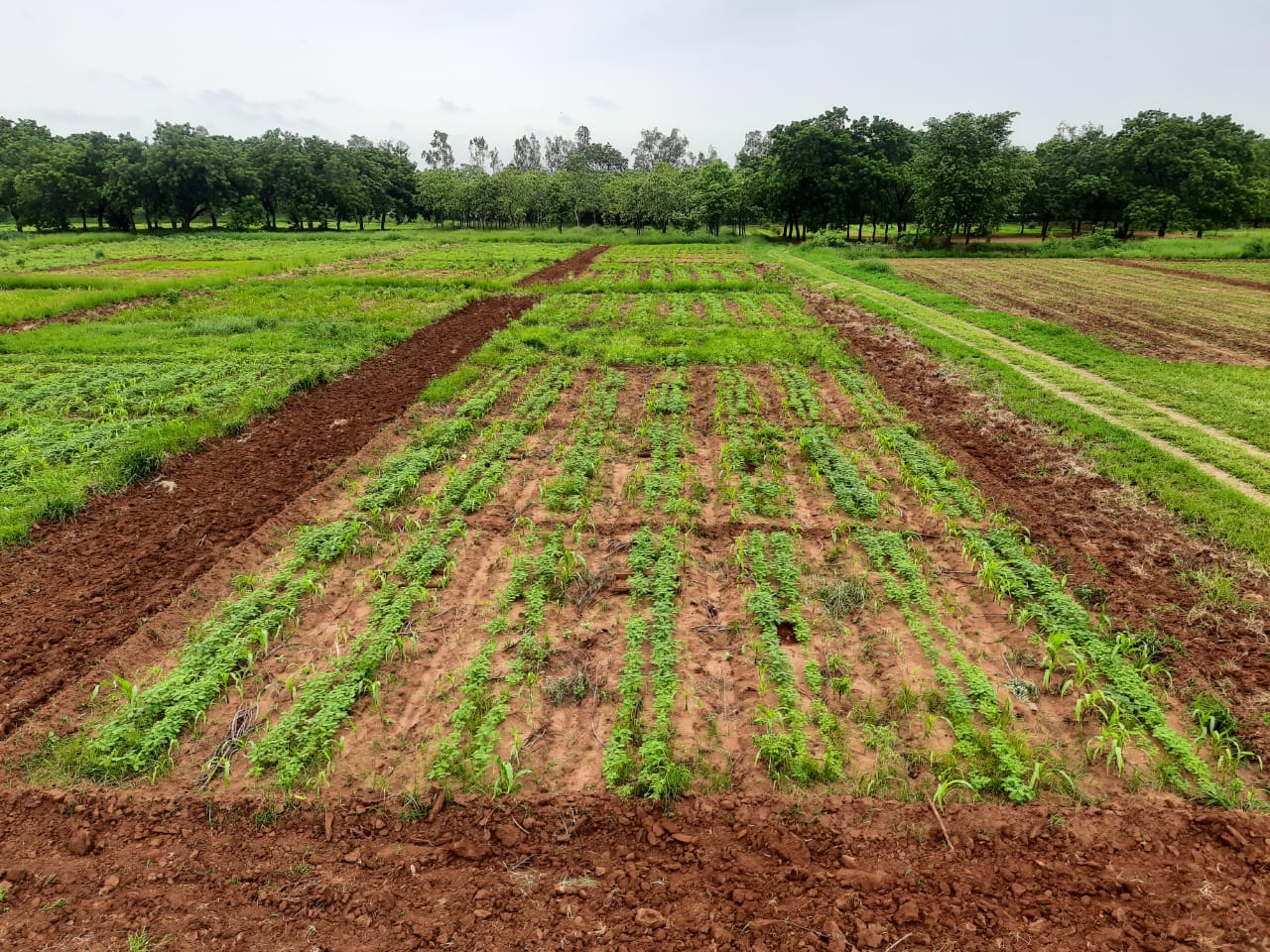
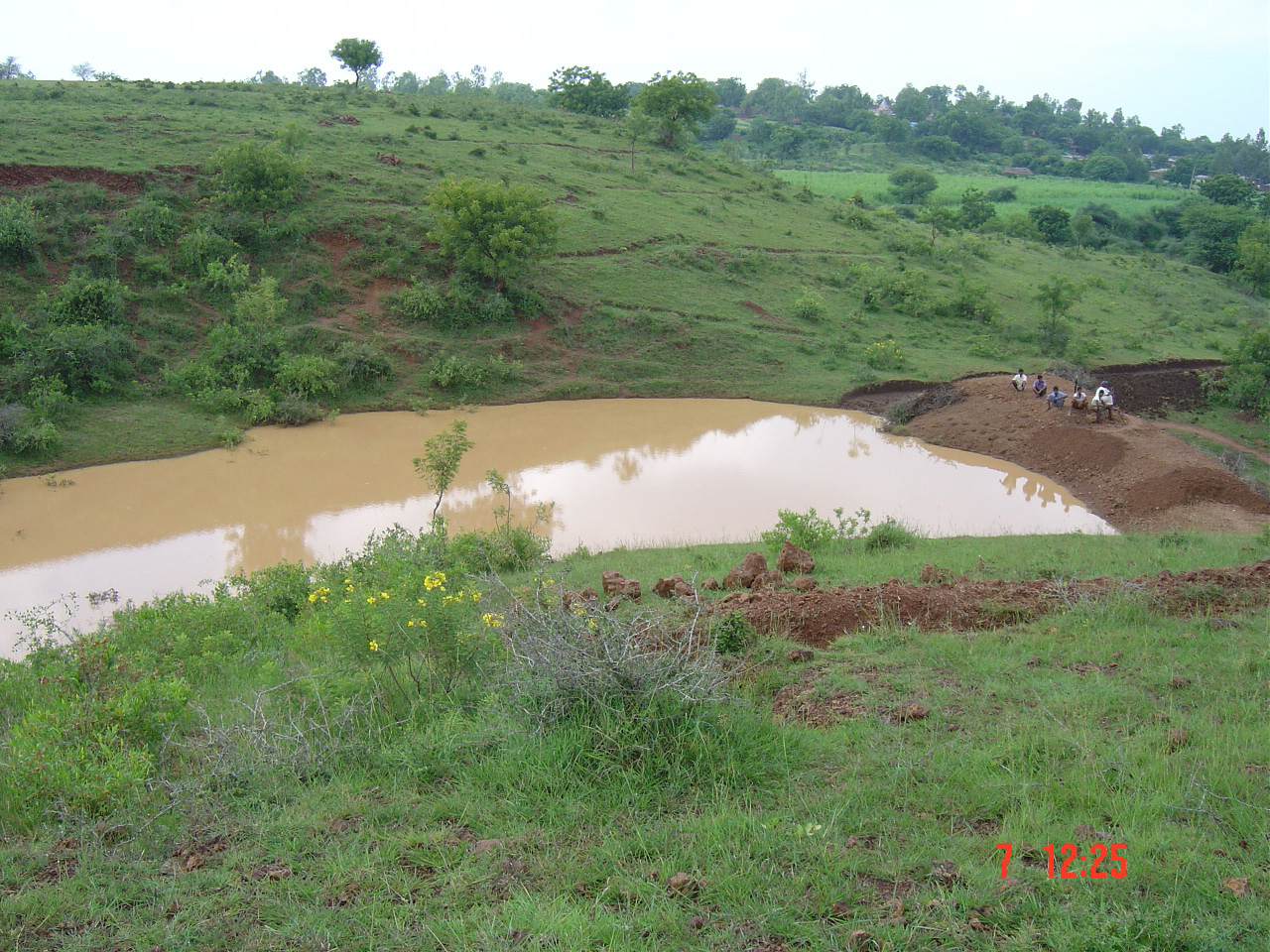
Globally, Rainfed farming is practiced in about 80% of cultivated land and contributes 60% of world food. In India, rainfed agriculture occupy about 50% of net cultivated area, practiced in diverse agro-ecologies and contributes 40% of country's food basket and dominant producer of oilseeds, cotton, jute and allied fibres. In India, contribution of rainfed production to nutritious cereals and pulses is about 84-87%, cotton- 60% and 77% in oilseeds and support 60% of livestock and 40% of human population..

Fees Details

REGISTRATION FEE


Category Physical Participants Registration Fee Online Participants Registration fee
ISDA Member Scientists (In-service) Rs. 8000 Rs. 4000
ISDA Member Scientists (Retired) Rs. 6000 Rs. 3000
Non-ISDA Members Rs. 9000 Rs. 4500
Industry and private organizations Rs. 12000 Rs. 6000
Student/Research Scholar Rs. 6,000 Rs. 3,000
Accompanying member Rs. 2500 ---

Key Conference Dates

- 31st August, 2026 Notice of 1st Intent (First Circular)
- 31st October, 2026 Submission of Extended Summary
- 15th November, 2026 Acceptance of Extended Summary
- 30th November, 2026 Registration fee (without late fee)

Conference Programme

- 29 January , 2025 Inauguration
- 29-31 January , 2025 Symposia
- 29-30 January, 2025 Poster Sessions
- 29-31 January, 2025 Plenary Lectures
- 31 January,2025 Valedictory Session
- 31 January,2025 Field Visits/ICRISAT Visit

International Conference Themes

team-img

Theme 1

Resource characterization, conservation, management and governance.

team-img

Theme 2

Livelihood Diversification for risk mitigation & ecosystem services.

team-img

Theme 3

Crop Improvement and management for biotic & abiotic Stress Mitigation.

team-img

Theme 4

Sustainable soil management for resilient rainfed agro-ecosystem.

team-img

Theme 5

Next-Gen Technologies: AI & ML, Remote Sensing, Modelling, Drones.

team-img

Theme 6

Enabling Technology & Knowledge Dissemination For Scaling Impacts.

team-img

Theme 7

Resilience Through Livestock and Fisheries in Rainfed Regions.

team-img

Theme 8

Agroforestry and Horticulture for Risk Minimization.

team-img

Theme 9

Mechanization, Processing and Value chains for Rainfed Crops and Systems.

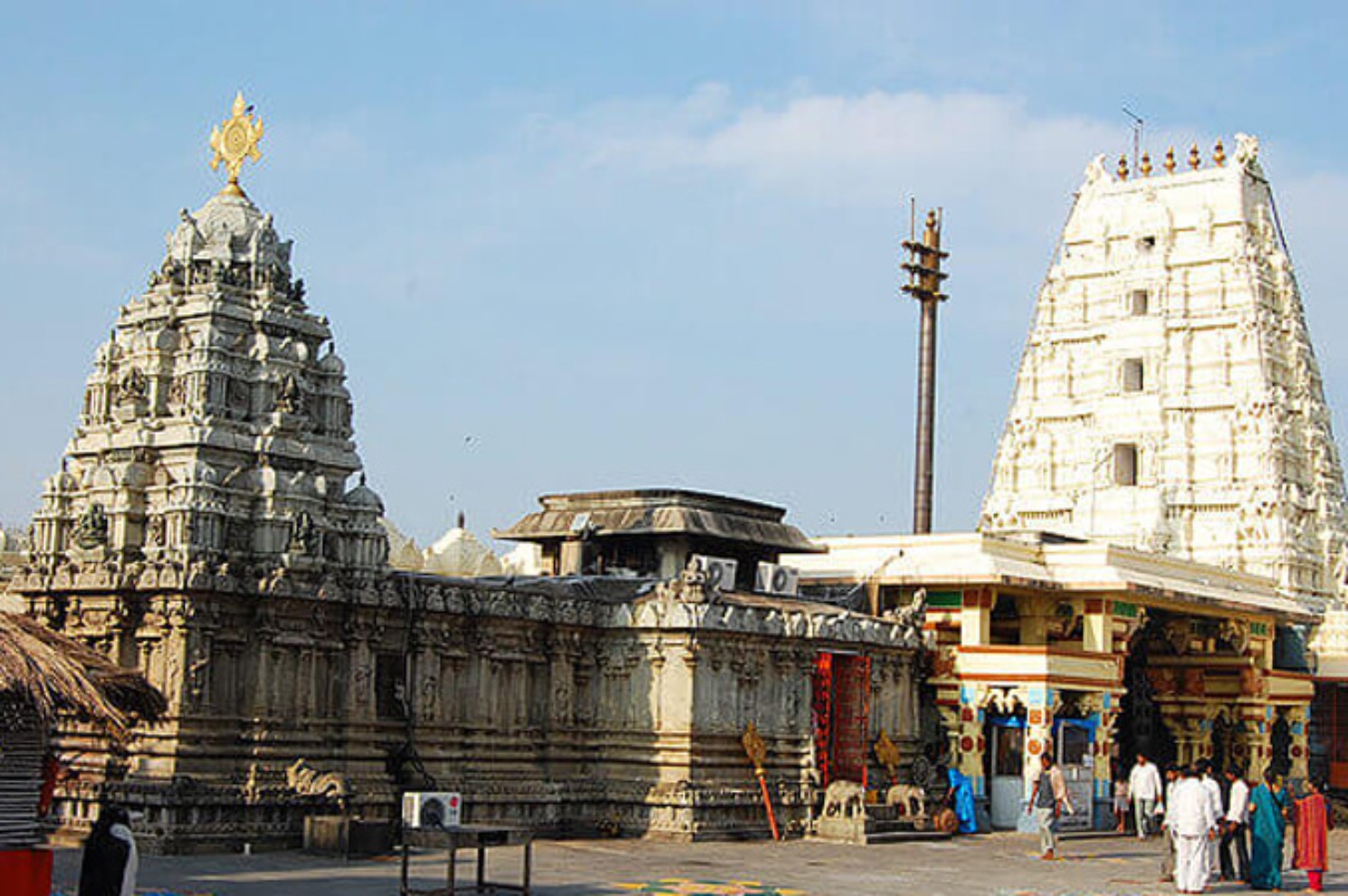
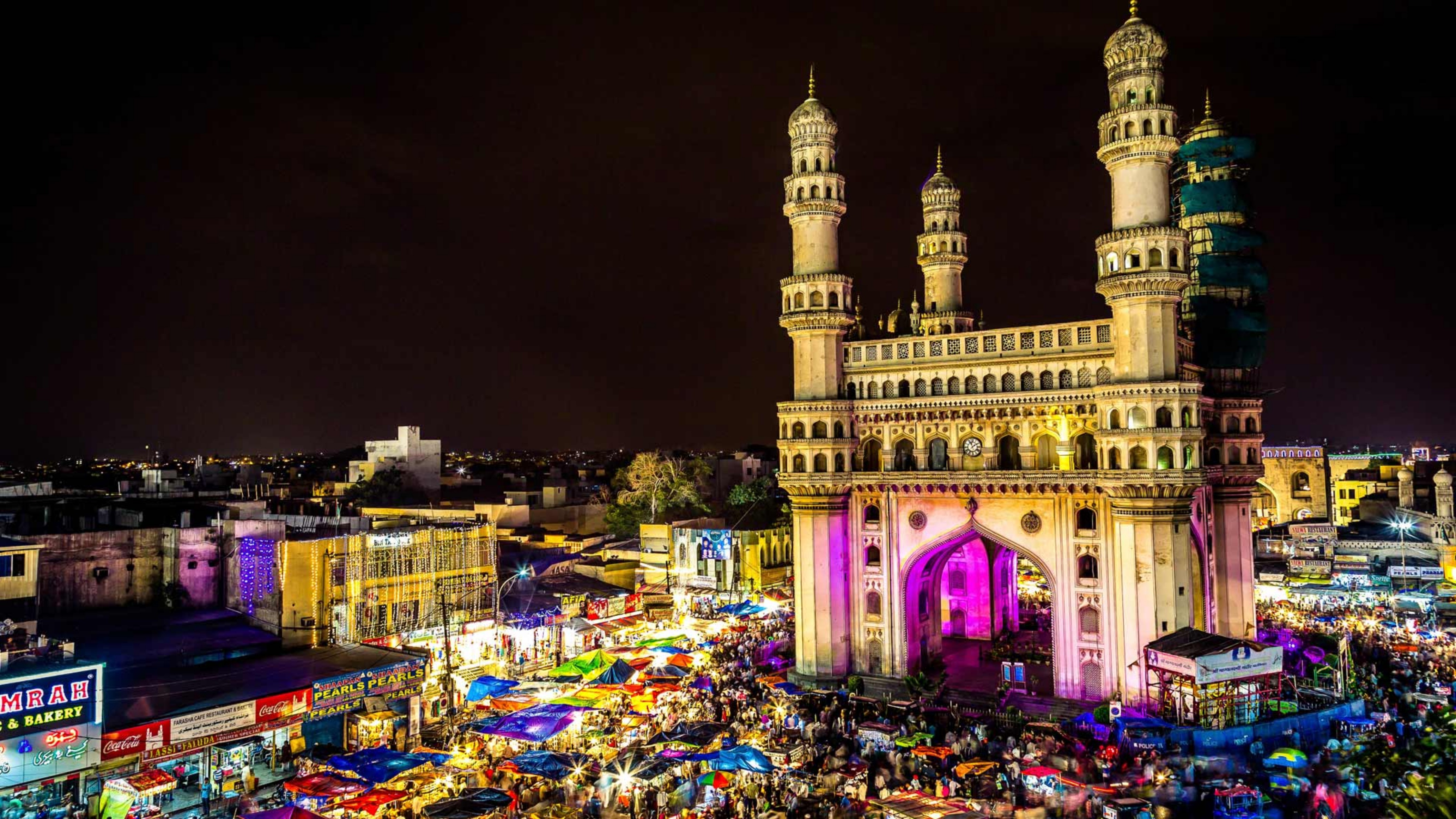
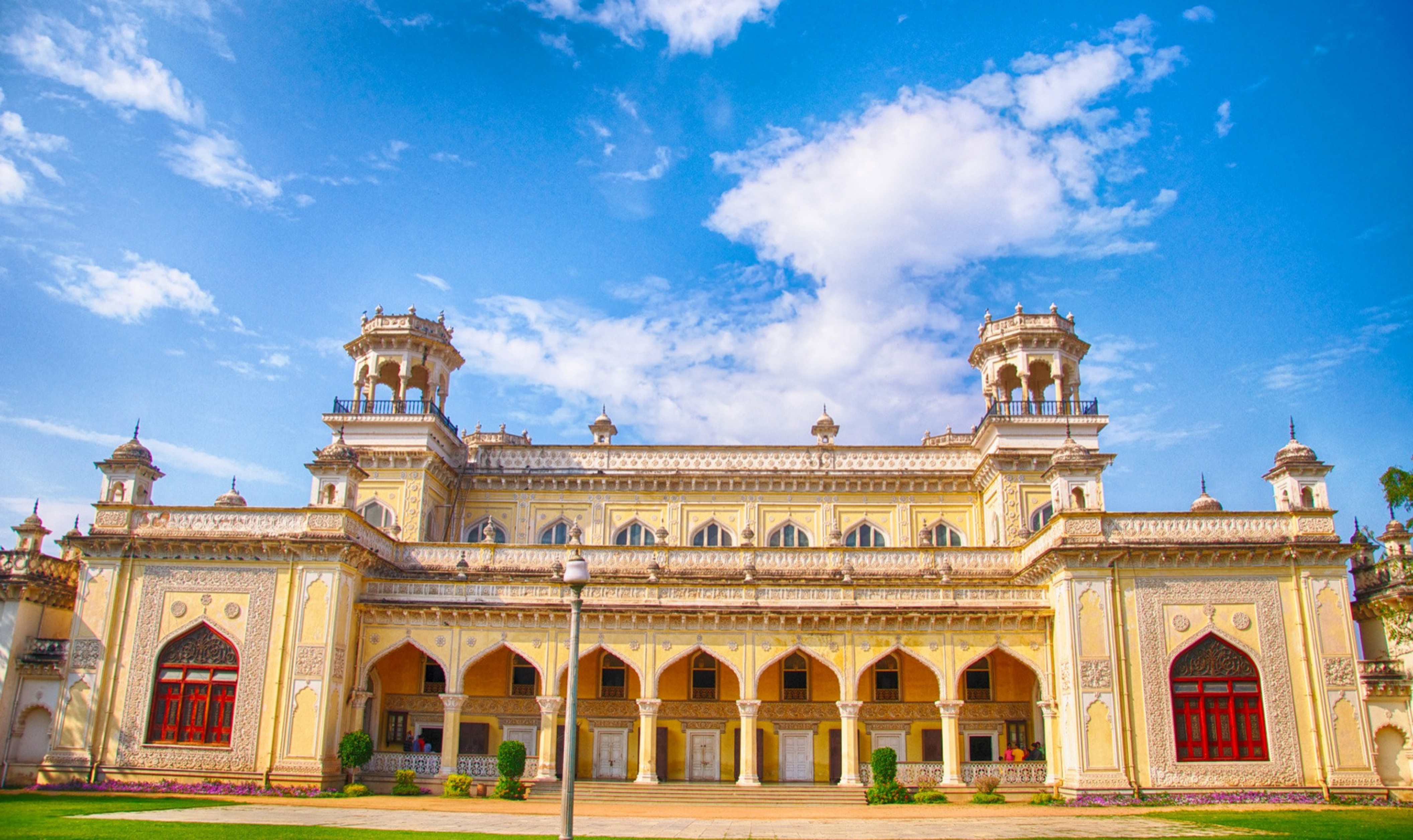
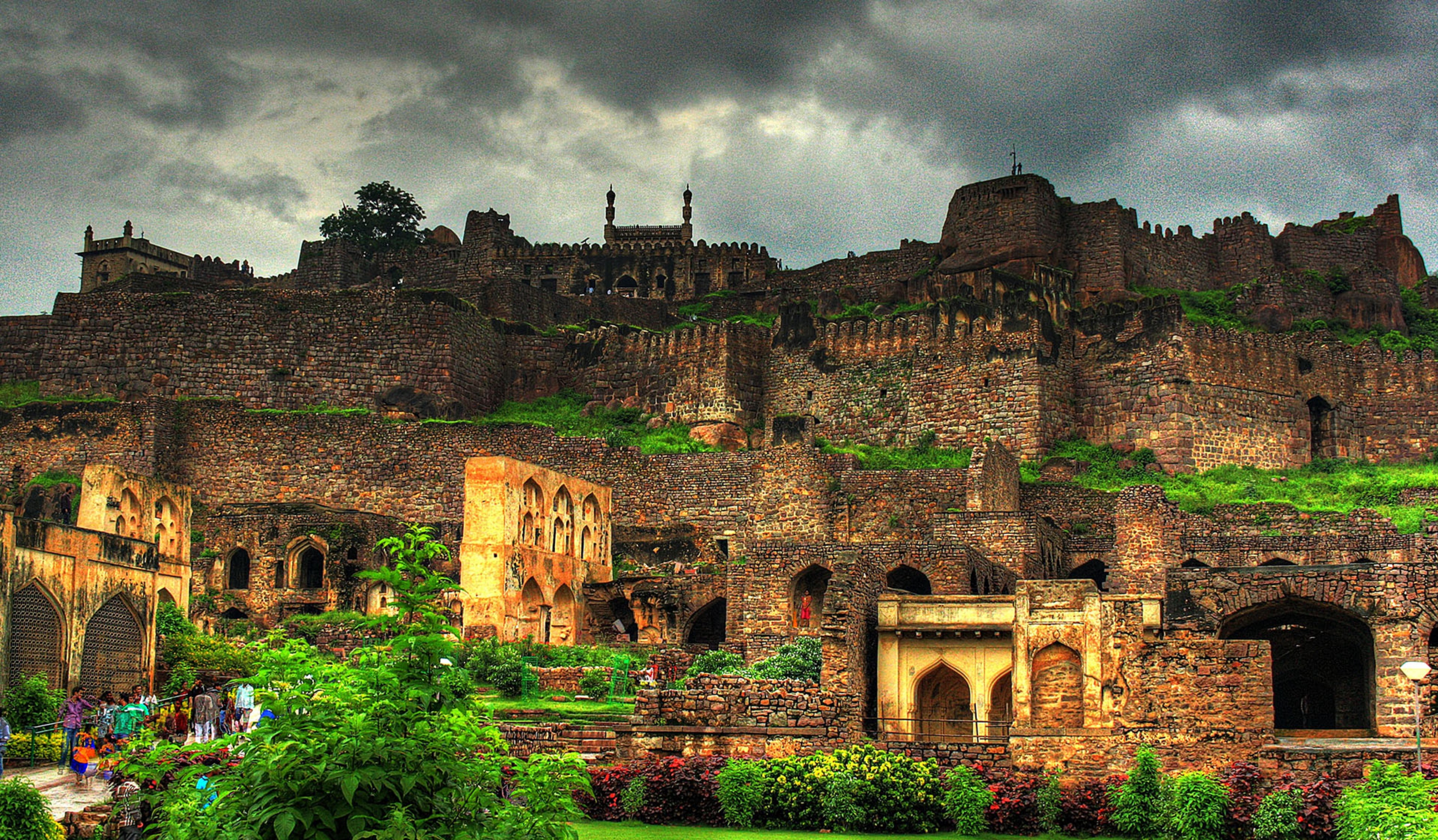
Place of Attractions

General Information

About Bengaluru city

Bengaluru, the capital of Karnataka, is one of India’s leading centres of science, technology, education and innovation. Popularly known as the “Garden City of India” and the “Silicon Valley of India,” the city offers a unique blend of modernity, natural beauty and cultural heritage. With its pleasant climate, iconic landmarks, lush green spaces such as Lalbagh Botanical Garden and Cubbon Park, and excellent connectivity, Bengaluru provides an ideal setting for academic and professional gatherings. The University of Agricultural Sciences (UAS), Bengaluru, established in 1964, is one of India’s premier institutions for agricultural education, research and extension. For over six decades, UAS Bengaluru has made significant contributions to crop improvement, sustainable agriculture, natural resource management, climate-resilient farming and rural development. The University is supported by modern research facilities, experimental farms and a distinguished faculty engaged in innovative and multidisciplinary research. Located in a city renowned for scientific excellence and technological innovation, UAS Bengaluru provides a vibrant platform for knowledge exchange, collaboration and capacity building. The convergence of agriculture, science, technology and innovation makes Bengaluru and UAS an ideal destination for conferences addressing emerging challenges in climate-resilient agriculture, sustainable natural resource management and the transformation of agri-food systems.

Weather

End of December is cool and pleasant. Lighter winter clothing is recommended. The day temperature ranges from 26-28oC and night temperature from 16-17oC.

Transport

Kempegowda International Airport is located approximately 23 km from the campus.

KSR-Bengaluru City Railway station (Majestic) is approximately 15 km away and closest major railway station Yeshwantapur Railway station is 10 km away

KSR-Bengaluru City Railway station (Majestic) is approximately 15 km away and closest major railway station Yeshwantapur Railway station is 10 km away Bengaluru Bus terminal (Majestic) is 15 km away from the campus